
:: computerAdministrator ::
Subs vs. Dubs Introduction
CA: When I started watching the Digimon Adventure anime on Kids WB as a kid, the only option was to watch the dubbed
version by Saban Entertainment.
CA: The anime premiered in 1999, and the culture of localzing anime was very different than it is currently.
CA: Famously, Pokemon: Indigo League includes one of the main characters, Brock, referring to a rice ball as a "jelly-filled donut," and all Japanese text within the early seasons were removed, often replaced with very basic English text, if it was replaced at all.
CA: This didn't start with either Digimon nor Pokemon; the practice of heavily editing anime series also affected the DiC distribution of Sailor Moon on Cartoon Network in 1995.
CA: I won't get into the entire history of anime dubbing here, as I wasn't culturally aware of what was happening during the era that I'm discussing, and I don't feel like a full history is necessary for this opinion piece.
CA: I just want to get across that the idea that the dubs that came out around that time were far less invested in preserving the original intention or culture of the series.
CA: So, let's say that you're a teenager or adult who has just learned that the show you like is likely changed from its source material, and you're interested in seeing the show in a context closer to the intended reading.
CA: Enter the Subs vs. Dubs Debate.
CA: The anime premiered in 1999, and the culture of localzing anime was very different than it is currently.
CA: Famously, Pokemon: Indigo League includes one of the main characters, Brock, referring to a rice ball as a "jelly-filled donut," and all Japanese text within the early seasons were removed, often replaced with very basic English text, if it was replaced at all.
CA: This didn't start with either Digimon nor Pokemon; the practice of heavily editing anime series also affected the DiC distribution of Sailor Moon on Cartoon Network in 1995.
CA: I won't get into the entire history of anime dubbing here, as I wasn't culturally aware of what was happening during the era that I'm discussing, and I don't feel like a full history is necessary for this opinion piece.
CA: I just want to get across that the idea that the dubs that came out around that time were far less invested in preserving the original intention or culture of the series.
CA: So, let's say that you're a teenager or adult who has just learned that the show you like is likely changed from its source material, and you're interested in seeing the show in a context closer to the intended reading.
CA: Enter the Subs vs. Dubs Debate.
:: computerAdministrator ::
Subs vs. Dubs - Pros and Cons
CA: With the context provided above, it can be easy to join the Subs vs. Dubs debate on the side of Subs.
CA: Subs tend to be closer to the original source material and tend to include things from the original culture that don't necessarily directly translate into the target culture, which is fascinating from an audience's perspective.
CA: However, there are definitely reasons to enjoy the Dub of a show, even if you have access to Subs as well.
CA: For starters, there is a nostalgia factor if you saw the dubbed version of a show first that cannot be replaced by the subbed version.
CA: If you have dyslexia or have difficulty keeping track of the subtitles at the same time as the visuals, then the dubbed version is likely to be more accessible.
CA: Dubs can allow people to hear the subtleties of the voice acting, and the word choices in the localized language can help inform the audience about the characters' personalities and beliefs.
CA: There is a difference between a character saying "You maniac!" versus "You monster!" versus "You madman!" and other variations, for example, even though they all express a feeling of disgust and opposition.
CA: Depending on the context, there can be characterizations that are missed through a sub that a dub may adapt, such as local accents being changed to a more immediately recognizeable accent that conveys a similar personality.
CA: All of these point for Subs vs. Dubs are ultimately a personal opinion, and there are reasons to prefer one over another, but it's not necessary to paint with a wide brush; one can enjoy the sub of one anime while enjoying the dub of another.
CA: Or one can enjoy the sub and dub of the same anime!
CA: That all being said, this is my opinion on the Sub vs. Dub of Digimon.
CA: Subs tend to be closer to the original source material and tend to include things from the original culture that don't necessarily directly translate into the target culture, which is fascinating from an audience's perspective.
CA: However, there are definitely reasons to enjoy the Dub of a show, even if you have access to Subs as well.
CA: For starters, there is a nostalgia factor if you saw the dubbed version of a show first that cannot be replaced by the subbed version.
CA: If you have dyslexia or have difficulty keeping track of the subtitles at the same time as the visuals, then the dubbed version is likely to be more accessible.
CA: Dubs can allow people to hear the subtleties of the voice acting, and the word choices in the localized language can help inform the audience about the characters' personalities and beliefs.
CA: There is a difference between a character saying "You maniac!" versus "You monster!" versus "You madman!" and other variations, for example, even though they all express a feeling of disgust and opposition.
CA: Depending on the context, there can be characterizations that are missed through a sub that a dub may adapt, such as local accents being changed to a more immediately recognizeable accent that conveys a similar personality.
CA: All of these point for Subs vs. Dubs are ultimately a personal opinion, and there are reasons to prefer one over another, but it's not necessary to paint with a wide brush; one can enjoy the sub of one anime while enjoying the dub of another.
CA: Or one can enjoy the sub and dub of the same anime!
CA: That all being said, this is my opinion on the Sub vs. Dub of Digimon.
:: computerAdministrator ::
Digimon - Sub vs. Dub
CA: I'm not going to sugarcoat it.
CA: I prefer the sub of Digimon over the dub.
CA: Yes, I'm refering to Digimon as a series writ large, not just the Digimon Adventure anime.
CA: I watched the dub as a kid, and for a Saturday Morning Cartoon, this was awesome!
CA: However, re-visiting the series as an adult, there were some immediate issues that took me out of the show.
CA: For example, in the first episode, the world is being plagued by weird weather phenomena that is meant to herald the physical world and the Digital World coming into contact with one another.
CA: In the sub, this is narrated by a third-person omniscient narraitor who treats the situation with gravitas and a "matter-of-fact" detached personality.
CA: In the dub, this same situation is narrated by Yagami Taichi, known as Tai in the dub, and among other descriptions, he describes the Middle East as being "covered in huge floods, like chocolate sauce."
CA: ...I feel like I do not need to justify myself on why that specific wording made me swap to the sub.
CA: However, I also found other inconsistencies and translation weirdness that I'm not a fan of, and I wanted to talk about some of them.
CA: I prefer the sub of Digimon over the dub.
CA: Yes, I'm refering to Digimon as a series writ large, not just the Digimon Adventure anime.
CA: I watched the dub as a kid, and for a Saturday Morning Cartoon, this was awesome!
CA: However, re-visiting the series as an adult, there were some immediate issues that took me out of the show.
CA: For example, in the first episode, the world is being plagued by weird weather phenomena that is meant to herald the physical world and the Digital World coming into contact with one another.
CA: In the sub, this is narrated by a third-person omniscient narraitor who treats the situation with gravitas and a "matter-of-fact" detached personality.
CA: In the dub, this same situation is narrated by Yagami Taichi, known as Tai in the dub, and among other descriptions, he describes the Middle East as being "covered in huge floods, like chocolate sauce."
CA: ...I feel like I do not need to justify myself on why that specific wording made me swap to the sub.
CA: However, I also found other inconsistencies and translation weirdness that I'm not a fan of, and I wanted to talk about some of them.





:: computerAdministrator ::
Digivolution Stages
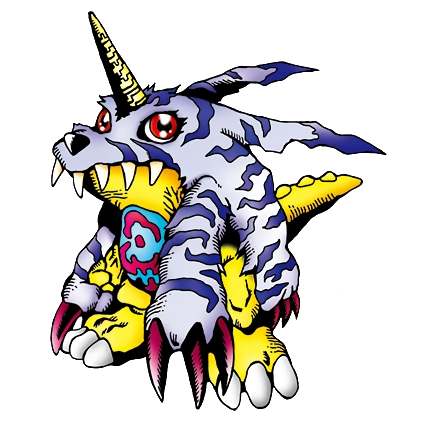
CA: When you compare the original Japanese Digivolution Stages versus the localized English stages, I feel like there's a stark difference
in how the series is portrayed.
CA: The original Japanese tends to emphasize how the Digimon is growing and entering different life stages.
CA: As a V-Pet released from the same company as Tamagotchi and meant to be a "boy's counterpart" to said Tamagotchi, it makes sense that the Digimon goes from Digitama (meaning Digi-Egg) to Baby I to Baby II to Child to Adult.
CA: The jump to Perfect is an interesting choice, but I read it as though the Digimon has perfected their battle techniques.
CA: Ending with Ultimate makes sense, as most Digimon lines don't get a Super Ultimate, and it's been said that the "Super Ultimate" classification is meant to be a designation of an Ultimate Digimon with a lot of power as opposed to a full Digivolution Stage.
CA: When it comes to the localization, it makes sense that Digitama becomes Digi-Egg; it's a fairly 1:1 translation.
CA: It feels like the translations are trying to be more combat-focused, which makes sense because they were trying to market the series to American boys in particular, and it was very much so the trend of the time to make video games more "tough" sounding as a result.
CA: A prominent example of this trend is the difference between the Japanese box art and the USA box art for Kirby games released at the time.
CA: Using the terms In-Training, Rookie, and Champion conveys a sense of combat-focused gameplay, even when the majority of the V-Pet is taking care of the critter.
CA: Now for my biggest gripe.
CA: I strongly dislike how they use the term Ultimate to mean "the stage after Champion" in the dubs.
CA: Both because it's not the final stage of the Digivolution line, even in the first release of the V-Pets, and it's used to mean a completely different Stage in the original work!
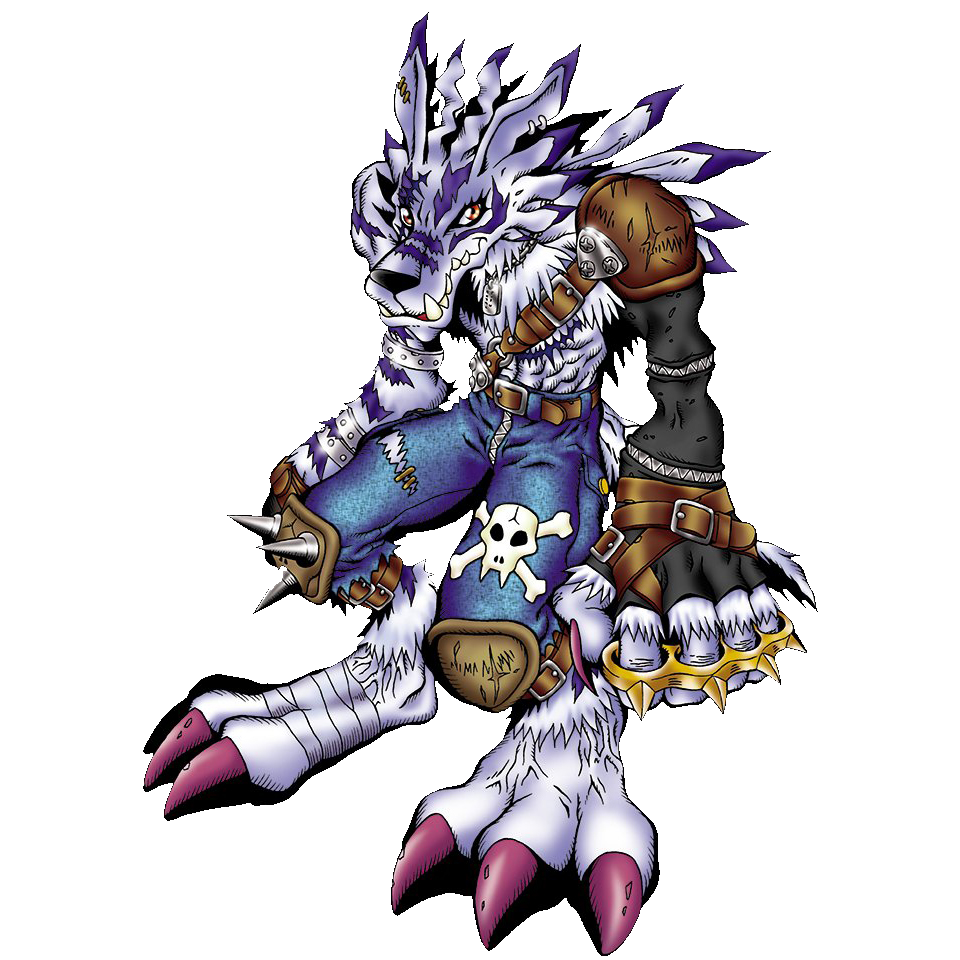
CA: This creates a strong disconnect between people who watched the subs and the people who watched the dubs.
CA: When the former says "Ultimate," they mean "Digimon in the same stage as Weregarurumon," while the latter means "Digimon in the same stage as Metalgarurumon."
CA: This confusion can arise whenever you enter a new Digimon community and don't know if everyone is using the sub or the dub terms.
CA: It's also frustrating because it's not even the "ultimate" stage for a Digimon, even at the time the first translation was made!
CA: I'm also not a fan about how many different terms there are to refer to the "Super Ultimate" stage.
CA: I'd be okay if they either followed the original material and added a prefix, making it either "Super Mega" or "Super Ultimate," if they changed the previous stage back to Ultimate.
CA: Having an additional extra term like "Ultra" is also fine, but they need to commit to one or the other!
CA: The inconsistency on what to call this psuedo-Stage is frustrating, and it's only a problem in the dubbed versions.
CA: Depending on the continuity that you're talking about, you may need to change from Super Mega, Mega+, or Ultra depending on what the game or show uses, and that can be frustrating to make that conversion every time you encounter a new part of the series that you want to interact with.
CA: To say nothing about the inter-community confusion that can occur if you're talking with someone who prefers a different term than you.
CA: If I could snap my fingers and force the dub to use different terms, I would have the stages as: Digitama, Baby I, Baby II, Rookie, Champion, Perfect, Ultimate, Super Ultimate.
CA: But, I'm not in charge, so I have to pick a side.
CA: In general, I prefer using the original subbed versions for consistency, and because I tend to like the original Japanese names of certain Digimon better, which I will get into during the next section.
CA: The original Japanese tends to emphasize how the Digimon is growing and entering different life stages.
CA: As a V-Pet released from the same company as Tamagotchi and meant to be a "boy's counterpart" to said Tamagotchi, it makes sense that the Digimon goes from Digitama (meaning Digi-Egg) to Baby I to Baby II to Child to Adult.
CA: The jump to Perfect is an interesting choice, but I read it as though the Digimon has perfected their battle techniques.
CA: Ending with Ultimate makes sense, as most Digimon lines don't get a Super Ultimate, and it's been said that the "Super Ultimate" classification is meant to be a designation of an Ultimate Digimon with a lot of power as opposed to a full Digivolution Stage.
CA: When it comes to the localization, it makes sense that Digitama becomes Digi-Egg; it's a fairly 1:1 translation.
CA: It feels like the translations are trying to be more combat-focused, which makes sense because they were trying to market the series to American boys in particular, and it was very much so the trend of the time to make video games more "tough" sounding as a result.
CA: A prominent example of this trend is the difference between the Japanese box art and the USA box art for Kirby games released at the time.
CA: Using the terms In-Training, Rookie, and Champion conveys a sense of combat-focused gameplay, even when the majority of the V-Pet is taking care of the critter.
CA: Now for my biggest gripe.
CA: I strongly dislike how they use the term Ultimate to mean "the stage after Champion" in the dubs.
CA: Both because it's not the final stage of the Digivolution line, even in the first release of the V-Pets, and it's used to mean a completely different Stage in the original work!
CA: This creates a strong disconnect between people who watched the subs and the people who watched the dubs.
CA: When the former says "Ultimate," they mean "Digimon in the same stage as Weregarurumon," while the latter means "Digimon in the same stage as Metalgarurumon."
CA: This confusion can arise whenever you enter a new Digimon community and don't know if everyone is using the sub or the dub terms.
CA: It's also frustrating because it's not even the "ultimate" stage for a Digimon, even at the time the first translation was made!
CA: I'm also not a fan about how many different terms there are to refer to the "Super Ultimate" stage.
CA: I'd be okay if they either followed the original material and added a prefix, making it either "Super Mega" or "Super Ultimate," if they changed the previous stage back to Ultimate.
CA: Having an additional extra term like "Ultra" is also fine, but they need to commit to one or the other!
CA: The inconsistency on what to call this psuedo-Stage is frustrating, and it's only a problem in the dubbed versions.
CA: Depending on the continuity that you're talking about, you may need to change from Super Mega, Mega+, or Ultra depending on what the game or show uses, and that can be frustrating to make that conversion every time you encounter a new part of the series that you want to interact with.
CA: To say nothing about the inter-community confusion that can occur if you're talking with someone who prefers a different term than you.
CA: If I could snap my fingers and force the dub to use different terms, I would have the stages as: Digitama, Baby I, Baby II, Rookie, Champion, Perfect, Ultimate, Super Ultimate.
CA: But, I'm not in charge, so I have to pick a side.
CA: In general, I prefer using the original subbed versions for consistency, and because I tend to like the original Japanese names of certain Digimon better, which I will get into during the next section.
:: computerAdministrator ::
Digimon Name Localizations
CA: Oh, boy... Let's take this one step at a time, shall we?
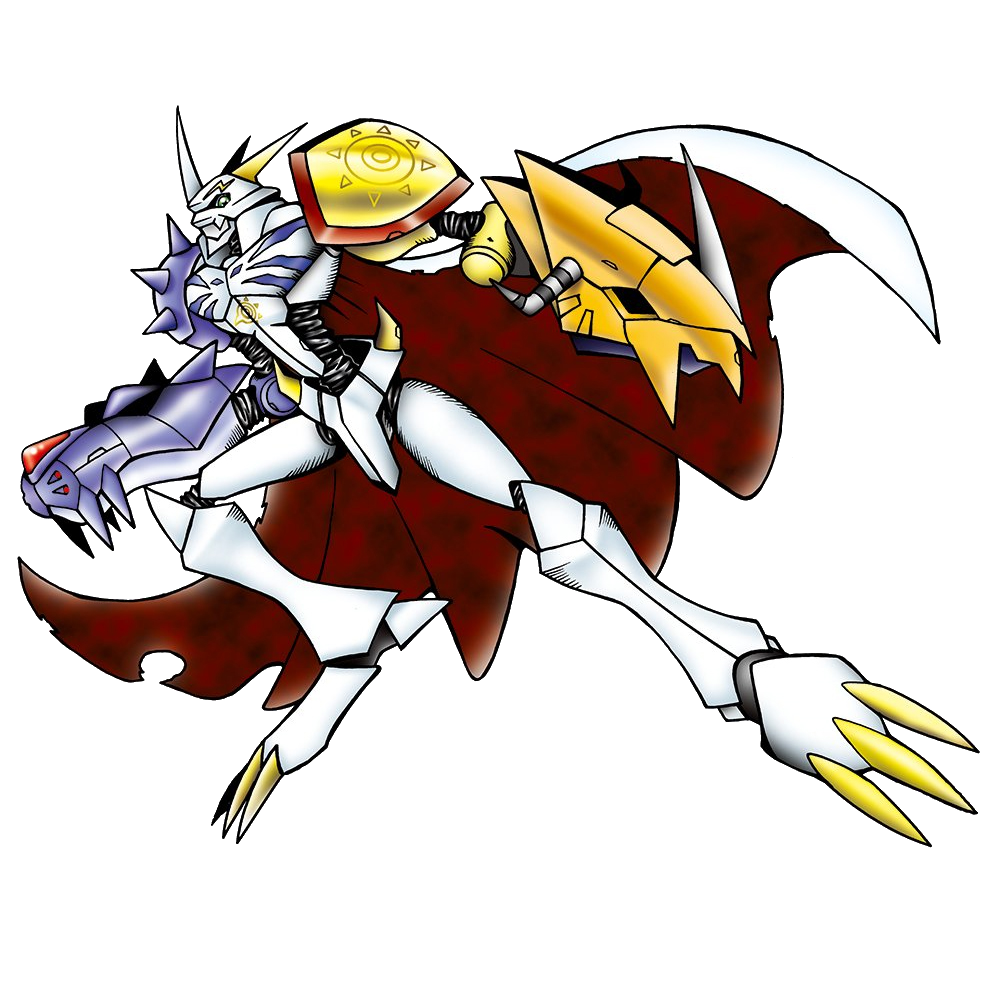
CA: So, Omegamon being changed to Omnimon is a fairly benign change.
CA: Both names convey the idea of being very powerful and sort of the "be-all and end-all" nature of the Royal Knight in question.
CA: I just prefer Omegamon because it fits better when paired with Alphamon, another Royal Knight.
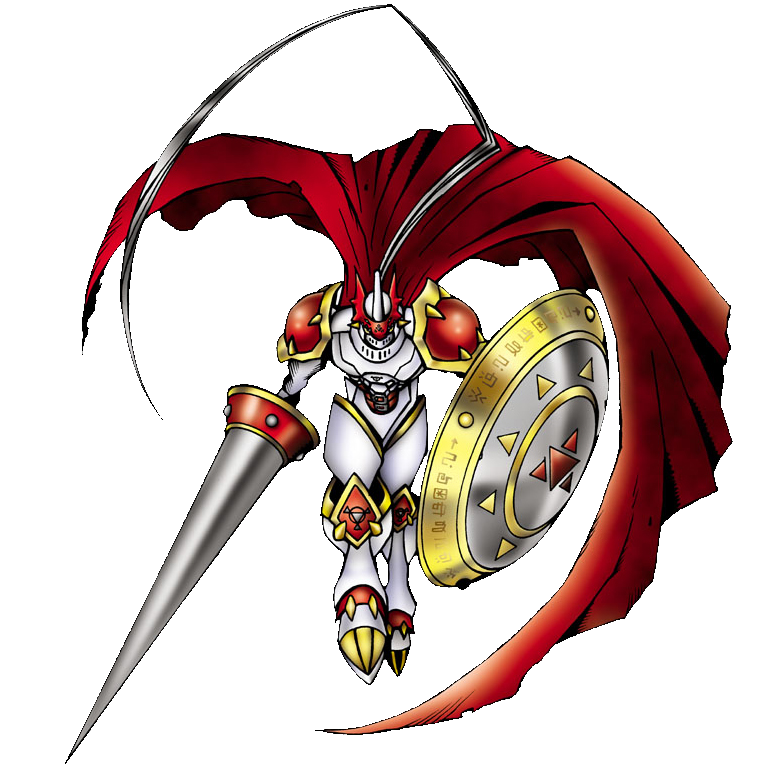
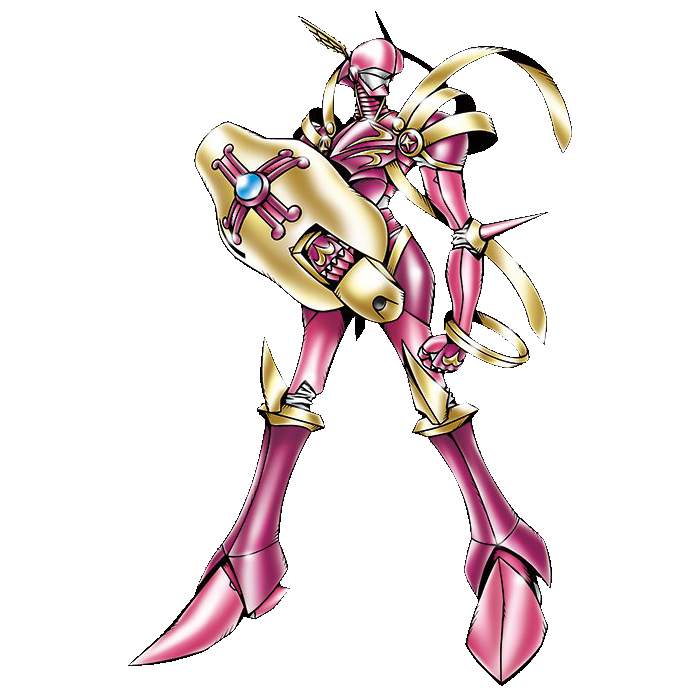
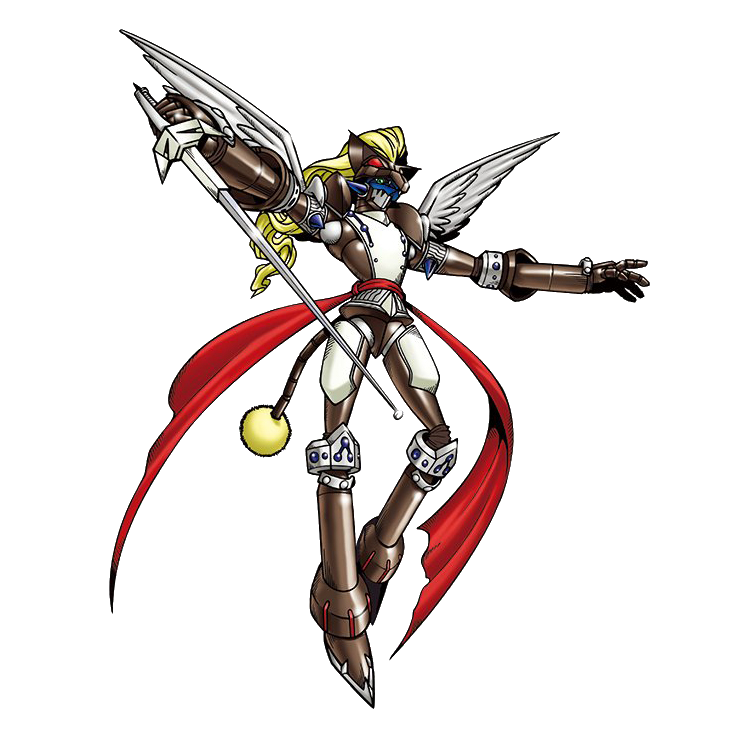
CA: Several other Royal Knights have their name changed in odd ways, specifically Dukemon, LordKnightmon, and Duftmon.
CA: Dukemon being renamed to Gallantmon is an interesting choice, considering that it's the final stage for the main protagonist in Digimon Tamers.
CA: While it does convey the idea that the Digimon is chivalrous, I also like how the title of "duke" is meant to show that it has the highest hereditary title, despite being also having the Virus-Attribute.
CA: I feel like this is, again, just down to personal preference.
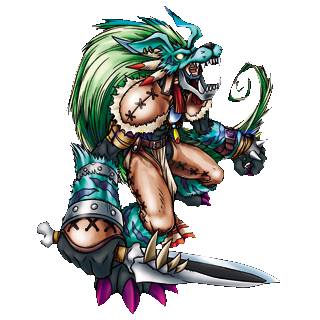
CA: LordKnightmon being changed to Crusadermon is a more interesting case; in most instances that I've seen of this Royal Knight, they're often leading an army of Knightmon and other Digimon in order to conquer another dimension.
CA: While having the title of "Lord Knight" shows the high military rank of the Digimon, the explicit usage of "crusade" is excellent for giving a more sinister connotation to the character.
CA: Duftmon into Leopardmon is just... odd.
CA: Apparently, "duft" is German for "scent," and this Royal Knight has the ability to change into a form called Leopard Mode, so...
CA: While "Leopardmon: Leopard Mode" is quite the mouthful, I do see why they changed the name in the dub.
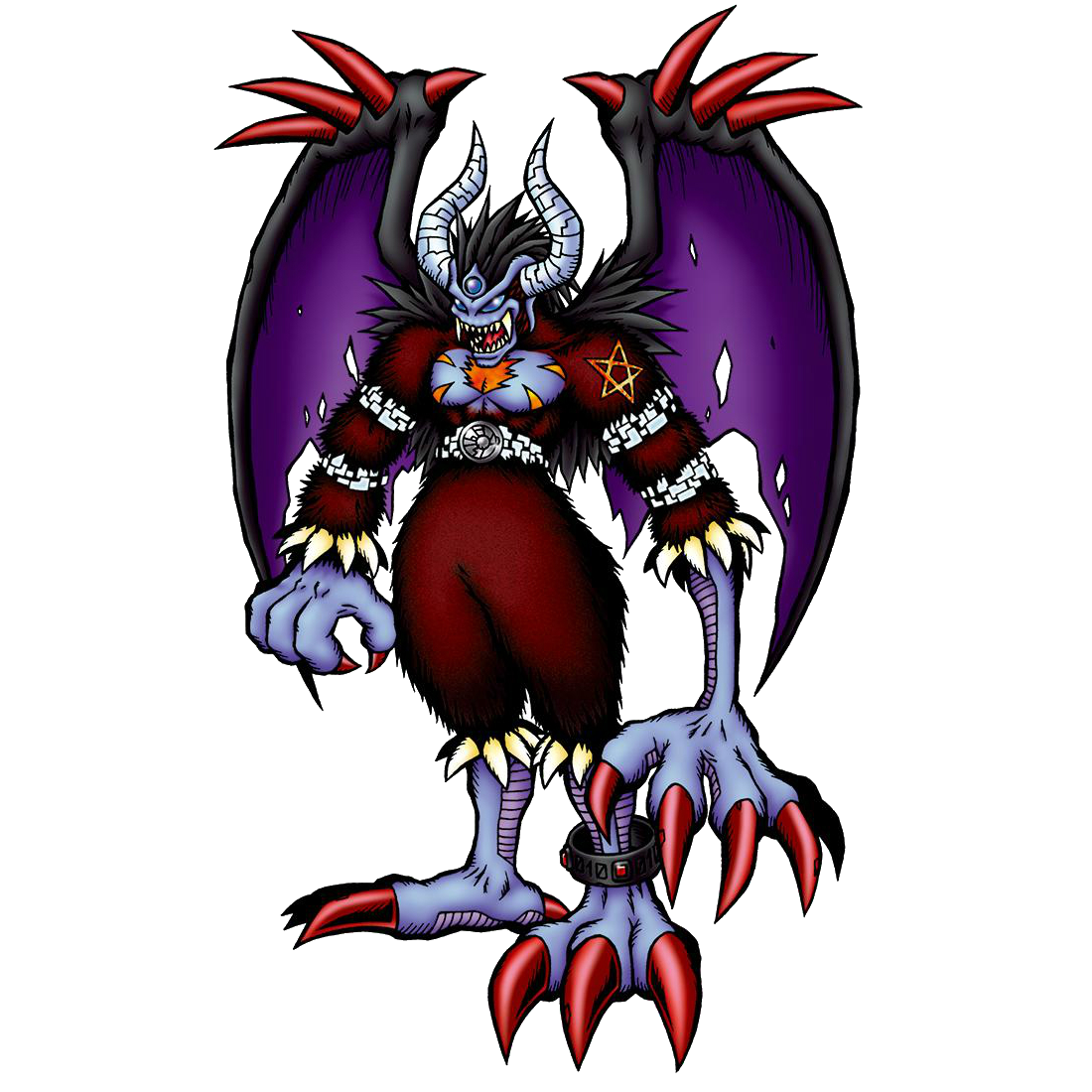
CA: Demon being changed to Creepymon is just disappointing.
CA: Having the name just be the word demon is really funny!
CA: I guess I understand why they changed it; it may be considered a little blasphemous to have a character just named "demon" in the story, and there have always been moral panics about what's in children's media.
CA: Still, I'm glad that it got changed back into Demon in later canons.
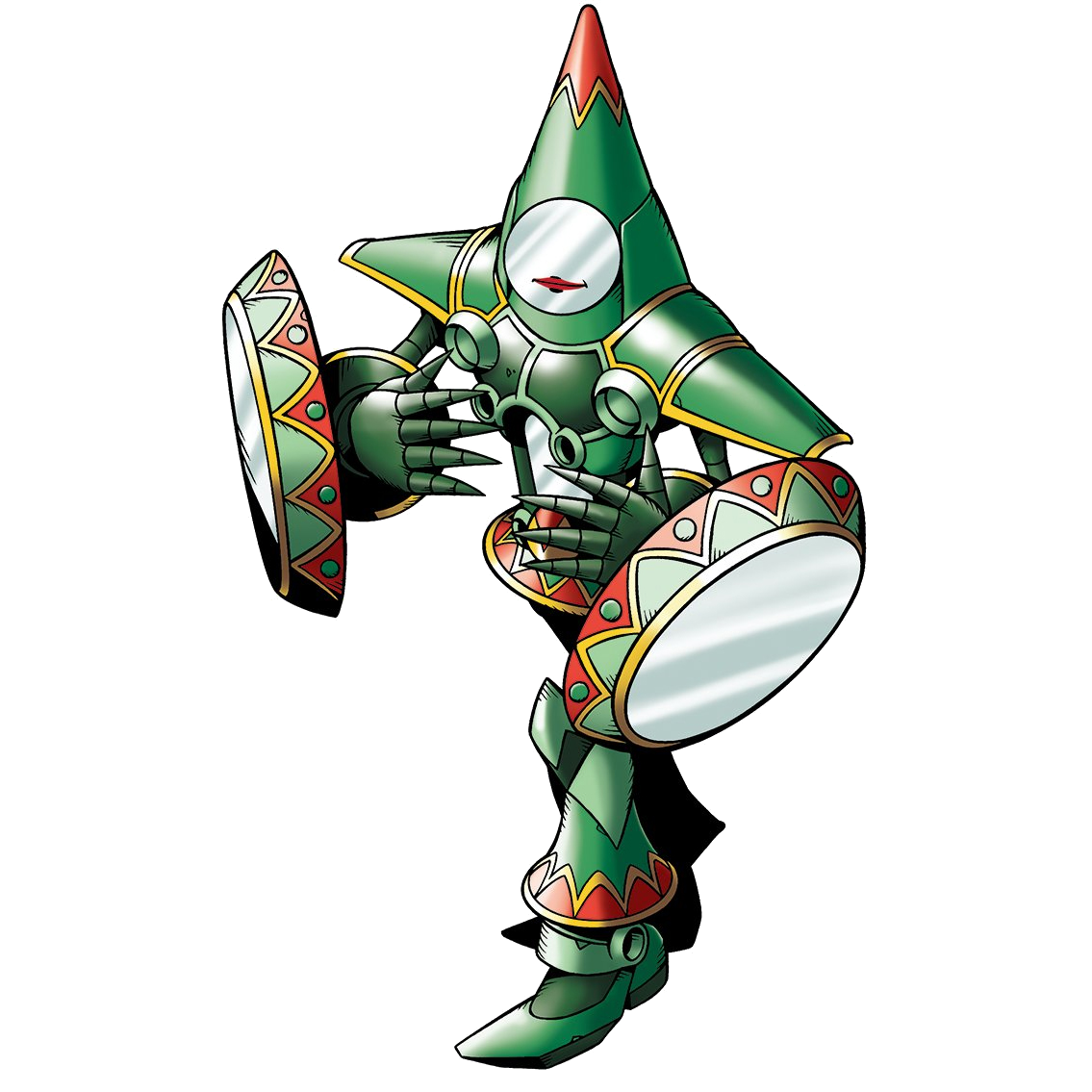
CA: The two in the above list that bug me the most is the Mercurymon / Mercuremon confusion.
CA: They're off by one letter, and which one the "y" versus "e" refers to swaps between the sub and the dub.
CA: Come on, that's just begging for trouble.
CA: I prefer the one referring to the Roman God and member of the Olympos XII to be Mercury with a "y," with the one referring to the warrior with mirror shields referencing periodic table element of "Mercury" to be Mercuremon with an "e."
CA: In general, I feel like Digimon tends to handle references to mythology and folklore poorly when it is localized.
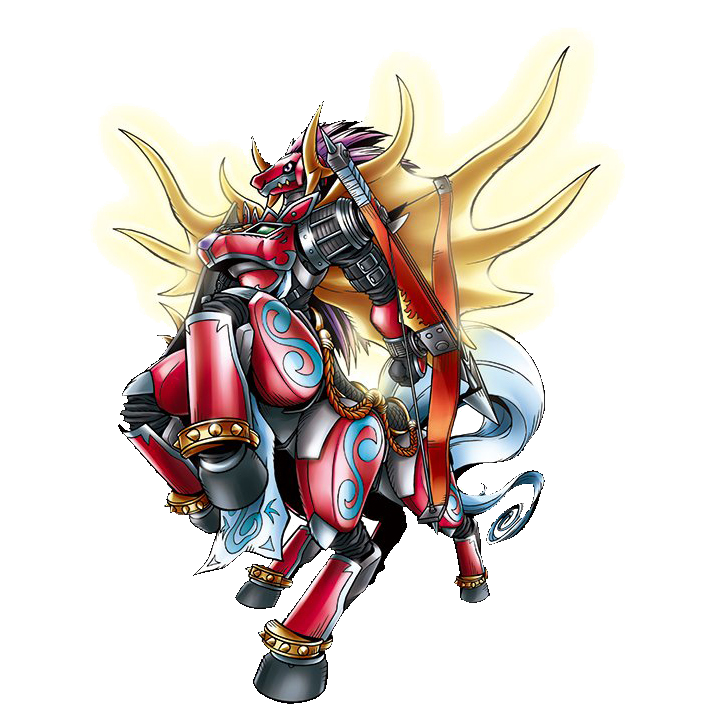
CA: One example is Sleipmon being changed to Kentaurosmon.
CA: Sleipmon is meant to be a reference to Sleipnir, Odin's steed and child of Loki.
CA: While it's not wrong to compare Sleipmon to a centaur, per se, I just feel like it's a lateral change.
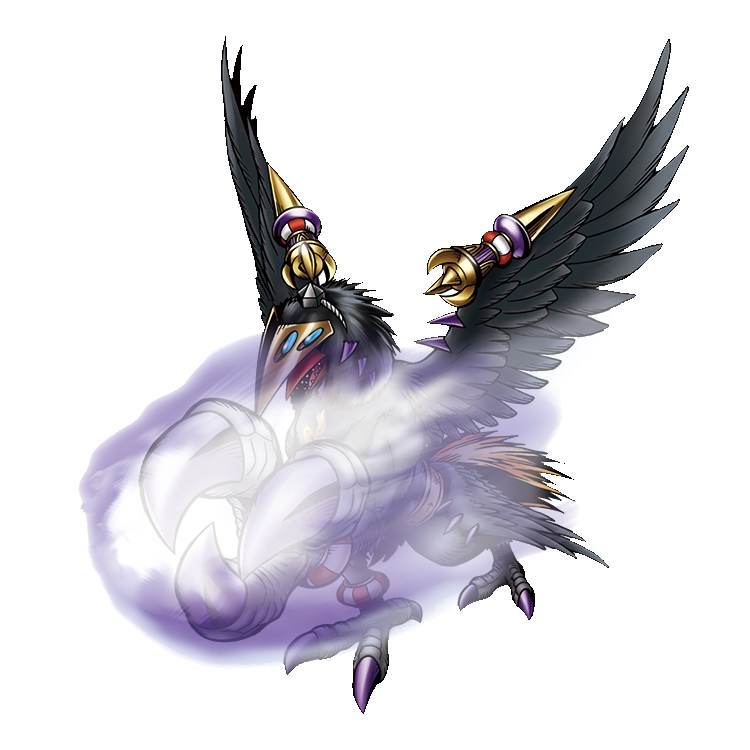
CA: It bugs me that they changed Yatagaramon into just... Crowmon.
CA: Yatagaramon is meant to be a reference to Yatagarasu, the three-legged crow that is a symbol of guidance in Shinto mythology.
CA: I know that it's not a reference that would be immediately understood by a non-Japanese audience, but I really like learning about folklore through the media I interact with, and this would have been a great opportunity to pique my curiosity!
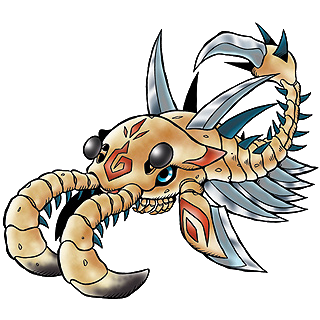
CA: On a similarly disappointing note, there's Anomalocarimon into... Scorpiomon.
CA: ...
CA: Not the same creature, not a reference to either a scorpion nor the constellation Scorpio, not part of a group referring to constellations, and the new name is not a reference to any Cambrian creatures.
CA: Justice for anomalocaris.
CA: So, Omegamon being changed to Omnimon is a fairly benign change.
CA: Both names convey the idea of being very powerful and sort of the "be-all and end-all" nature of the Royal Knight in question.
CA: I just prefer Omegamon because it fits better when paired with Alphamon, another Royal Knight.
CA: Several other Royal Knights have their name changed in odd ways, specifically Dukemon, LordKnightmon, and Duftmon.
CA: Dukemon being renamed to Gallantmon is an interesting choice, considering that it's the final stage for the main protagonist in Digimon Tamers.
CA: While it does convey the idea that the Digimon is chivalrous, I also like how the title of "duke" is meant to show that it has the highest hereditary title, despite being also having the Virus-Attribute.
CA: I feel like this is, again, just down to personal preference.
CA: LordKnightmon being changed to Crusadermon is a more interesting case; in most instances that I've seen of this Royal Knight, they're often leading an army of Knightmon and other Digimon in order to conquer another dimension.
CA: While having the title of "Lord Knight" shows the high military rank of the Digimon, the explicit usage of "crusade" is excellent for giving a more sinister connotation to the character.
CA: Duftmon into Leopardmon is just... odd.
CA: Apparently, "duft" is German for "scent," and this Royal Knight has the ability to change into a form called Leopard Mode, so...
CA: While "Leopardmon: Leopard Mode" is quite the mouthful, I do see why they changed the name in the dub.
CA: Demon being changed to Creepymon is just disappointing.
CA: Having the name just be the word demon is really funny!
CA: I guess I understand why they changed it; it may be considered a little blasphemous to have a character just named "demon" in the story, and there have always been moral panics about what's in children's media.
CA: Still, I'm glad that it got changed back into Demon in later canons.
CA: The two in the above list that bug me the most is the Mercurymon / Mercuremon confusion.
CA: They're off by one letter, and which one the "y" versus "e" refers to swaps between the sub and the dub.
CA: Come on, that's just begging for trouble.
CA: I prefer the one referring to the Roman God and member of the Olympos XII to be Mercury with a "y," with the one referring to the warrior with mirror shields referencing periodic table element of "Mercury" to be Mercuremon with an "e."
CA: In general, I feel like Digimon tends to handle references to mythology and folklore poorly when it is localized.
CA: One example is Sleipmon being changed to Kentaurosmon.
CA: Sleipmon is meant to be a reference to Sleipnir, Odin's steed and child of Loki.
CA: While it's not wrong to compare Sleipmon to a centaur, per se, I just feel like it's a lateral change.
CA: It bugs me that they changed Yatagaramon into just... Crowmon.
CA: Yatagaramon is meant to be a reference to Yatagarasu, the three-legged crow that is a symbol of guidance in Shinto mythology.
CA: I know that it's not a reference that would be immediately understood by a non-Japanese audience, but I really like learning about folklore through the media I interact with, and this would have been a great opportunity to pique my curiosity!
CA: On a similarly disappointing note, there's Anomalocarimon into... Scorpiomon.
CA: ...
CA: Not the same creature, not a reference to either a scorpion nor the constellation Scorpio, not part of a group referring to constellations, and the new name is not a reference to any Cambrian creatures.
CA: Justice for anomalocaris.








:: computerAdministrator ::
The Crest Names
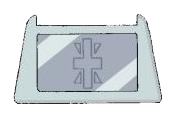
CA: The Crests are card-like objects that are used by the Chosen Children
to Super Digivolve their Partner Digimon into their Perfect form and beyond.
CA: Each Crest represents a character trait that powers up their Digimon.
CA: Most of the Crests are the same in the sub and dub, but there's two in particular that were changed: The Crest of Purity / Sincerity and The Crest of Sincerity / Reliability.
CA: Again, I'm not a fan of the same word being used to refer to two different things depending on whether you're talking about the sub or the dub.
CA: I think it's unnecessarily confusing and frustrating, and I'm not a fan.
CA: This is one of the few times where I prefer the dub over the sub, specifically because the Crest of Purity is given to Tachikawa Mimi and Inoue Miyako, and I'm just not a fan of the word "purity" being associated with young female characters when another word will convey the same information.
CA: The Crest of "Purity" is meant to refer to the traits of being open with one's emotions and deeply held connections to others, and I feel like the word "Sincerity" better describes those qualities.
CA: Similarly, the Crest of "Sincerity" is given to Kido Jo and Hida Iori, and I feel like they are more reliable and headstrong than they could be said to be sincere.
CA: Not that Jo nor Iori are insincere; they are just more defined by their trustworthiness and discipline.
CA: Each Crest represents a character trait that powers up their Digimon.
CA: Most of the Crests are the same in the sub and dub, but there's two in particular that were changed: The Crest of Purity / Sincerity and The Crest of Sincerity / Reliability.
CA: Again, I'm not a fan of the same word being used to refer to two different things depending on whether you're talking about the sub or the dub.
CA: I think it's unnecessarily confusing and frustrating, and I'm not a fan.
CA: This is one of the few times where I prefer the dub over the sub, specifically because the Crest of Purity is given to Tachikawa Mimi and Inoue Miyako, and I'm just not a fan of the word "purity" being associated with young female characters when another word will convey the same information.
CA: The Crest of "Purity" is meant to refer to the traits of being open with one's emotions and deeply held connections to others, and I feel like the word "Sincerity" better describes those qualities.
CA: Similarly, the Crest of "Sincerity" is given to Kido Jo and Hida Iori, and I feel like they are more reliable and headstrong than they could be said to be sincere.
CA: Not that Jo nor Iori are insincere; they are just more defined by their trustworthiness and discipline.
:: computerAdministrator ::
In Conclusion
CA: While there are absolutely valid reasons to prefer subs, dubs, or both, I generally prefer the subs for Digimon, and I would encourage others who
are wanting to try out the series to start with the subs.
CA: Generally speaking, most Digimon fans in the USA are more familiar with the dubbed versions, which is absolutely valid, but as an adult starting the series, I had more fun with the sub.
CA: Especially because all references to heaven and hell, death, and other "mature" topics were generally dumbed down in the dubs, and I feel like the fact that Digimon had those in the source material to begin with is something that sets it apart from other series.
CA: Really though, take your pick and have fun.
CA: It's better to welcome all fans and share our interests together instead of judging one another for which version of the series they like.
CA: Generally speaking, most Digimon fans in the USA are more familiar with the dubbed versions, which is absolutely valid, but as an adult starting the series, I had more fun with the sub.
CA: Especially because all references to heaven and hell, death, and other "mature" topics were generally dumbed down in the dubs, and I feel like the fact that Digimon had those in the source material to begin with is something that sets it apart from other series.
CA: Really though, take your pick and have fun.
CA: It's better to welcome all fans and share our interests together instead of judging one another for which version of the series they like.